Book review: Interpreting Energy at Museums and Historic Sites
Article DOI: https://dx.doi.org/10.15180/252401
Abstract
Miquel Carandell Baruzzi reviews Interpreting Energy at Museums and Historic Sites, which discusses the connections between electrical power and political power. The book traces the often-hidden processes of energy generation along the lines of sociopolitical power structures, and considers possible methods for representing this connection in museums.
Keywords
energy, energy history, Railway, railway history
Review
In English, the word ‘power’ could mean both ‘the ability to control people or things’ and the ‘energy that can be collected and used to operate a machine or to make electricity’. In recent years, science and environmental historians have stressed the close connections between these two definitions of power. In turn, this has helped develop an understanding of the link between economic and political power and the generation and distribution of energy. As Leah S Glaser’s Interpreting Energy at Museums and Historical Sites, published as part of the American Association for State and Local History Interpreting History book series, states ‘those with access to plentiful, reliable, and safe electrical power are most often those with access to economic and political power’ (p 166). On the other end, those with less economic and political power not only do not have complete access to electrical resources but are also those who suffer more intensely its several environmental and social drawbacks. In addition, as many scholars have highlighted, the production of energy has been ‘historically and deliberately hidden’ from most of its consumers, who ‘tend not to notice’ (p 6) its infrastructures and impacts, which perpetuates these inequalities.

One of the main points of Glaser’s book is that museums have the capacity, the power, to contribute to making energy visible. Museums can invite the public to think critically about energy generation, distribution and use. Yet although museums have recently begun to address climate change, few have started to critically address energy and energy use as primary interpretive themes.
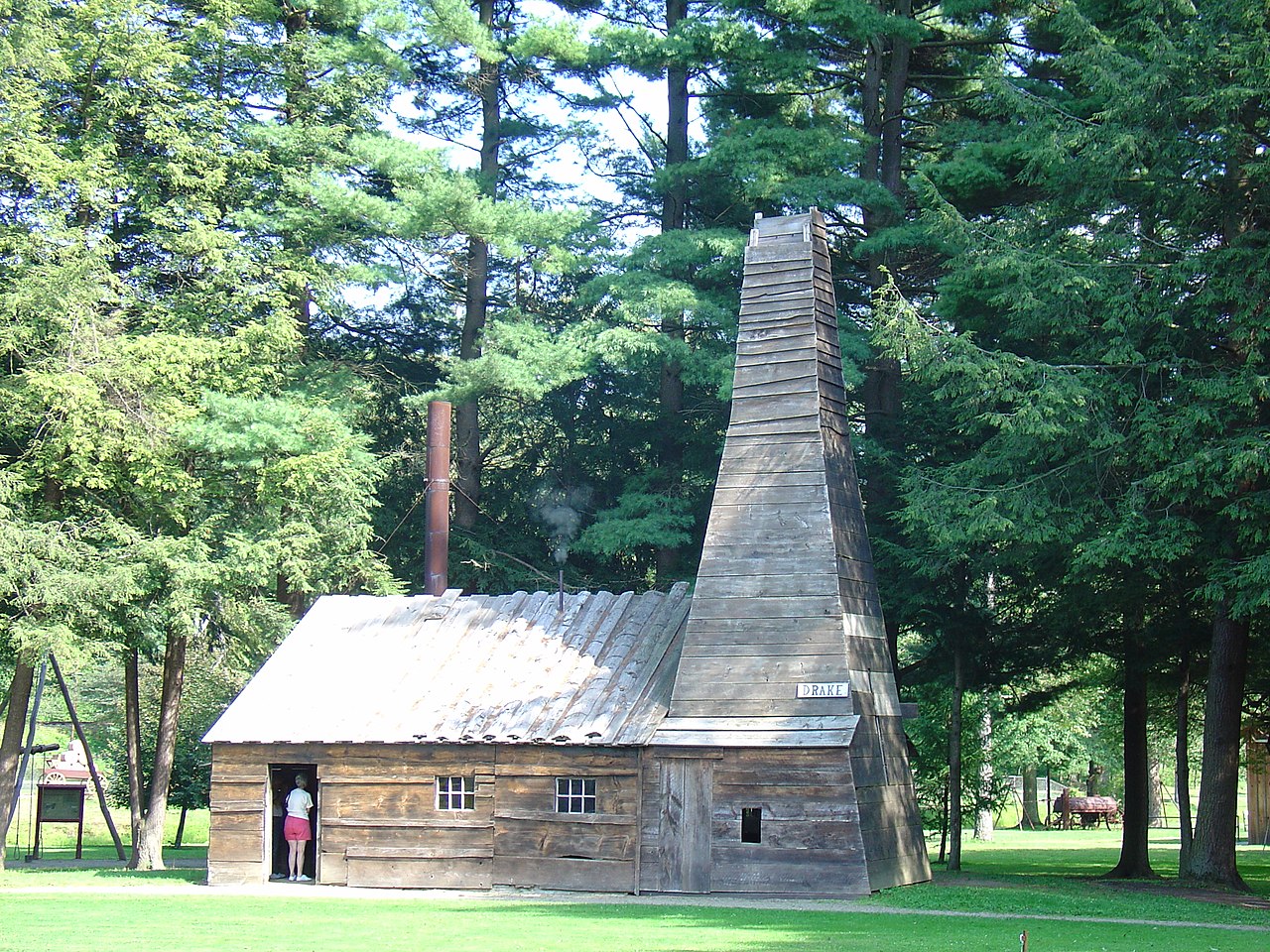
Traditionally, North American museums and historical sites have interpreted energy in ways that reinforce dominant narratives based on progress, innovation, technological determinism, technological history and nostalgia. These are narratives that maintain the disconnection between the ways energy is produced and its negative effects on people and the environment. In order to counter this trend, Interpreting Energy aims to provide tools and resources for museum professionals to develop new narratives that highlight the ‘connections between sources of energy and their use’ (p xvi), and, not so explicitly stated, between energy and economic and political power. Glaser analyses how museums and historical sites interpret energy and how this interpretation could be improved to better urge the visitor to interpret the complexities of energy generation and use. The book is organised in seven chapters, plus introduction and conclusions, divided according to the different energy sources the book considers (wood, water, steam, fossil fuels, nuclear and renewable). Those chapters are divided into four sections. The first section briefly reviews scholarly works on the historical context of each kind of energy, mostly in the United States, aiming to ‘offer guidance to interpret energy use’ to professionals (p xv). The second section, ‘interpreting…’ each energy, provides an overview of how each energy has been interpreted in museums and historical sites, recognising the main problems with traditional interpretations. In the third section of each chapter, Glaser describes specific case studies to highlight both how those traditional narratives are perpetuated as well as how solutions for alternative interpretations have been developed.

Finally, Glaser concludes each chapter with an ‘artifact spotlight’, in which she explains how objects could provide critical interpretations of energy and suggests potential examples to carry this out. The book finishes with an annotated bibliography with references on energy history to guide museum professionals to continue to think critically about energy.
Interpreting Energy presents useful case studies showing how energy production and consumption inequalities could be analysed in museum settings and how heritage and material culture more generally could be used ‘to think critically about our attitudes toward energy technology and its relationship to the environment, in both the past and the present’ (p 68). Yet, there are also some points for improvement. These could be divided into three great groups.

First, despite Glaser’s identification of power connections, energy invisibilities and how traditional narratives have perpetuated these invisibilities, the book’s use of the scholarly works that have critically analysed them is limited. The book cites some good historiography on those topics but does not always develop its points enough, and it also lacks other interesting reflections that could improve museum energy interpretations. This can be partly attributed to the precise aims and scope of the book, but, in my view, approaches like Andreas Malm’s capital-centred interpretation, very briefly described in the book, Jaume Franquesa’s power struggles regarding renewable energy, or Marco Armiero’s focus on waste could greatly benefit the stated aim to give materials for critical thinking for museums and heritage sites.

Two ‘shocks’ could illustrate this missing critical support better. On the one hand, historian of technology David Edgerton’s already classic The Shock of the Old (2006) could be a powerful tool to critically address innovation narratives in museums, in addition to reinforcing Glaser’s stress on material culture as narrative focus. On the other hand, Christophe Bonneuil and Jean-Baptiste Fressoz’s The Shock of the Anthropocene (2017) could have been extremely useful to accomplish the book’s purposes regarding critical approaches to industrialism, and to the so-called energy transitions.
Second, the book focuses mostly on local or regional museums and heritage sites in the United States. This is not bad per se, as it could be very useful if professionals working on those sites are the main audience. But, in terms of analysing historical interpretations of energy in museums, the book lacks a deeper understanding of how wood, coal or, especially, fossil fuels are interpreted in the context of big national museums, and in other geographical contexts like the United Kingdom or Europe. To understand other contexts could provide mechanisms to improve museum energy interpretations across the board, even in those local or regional museums and sites.
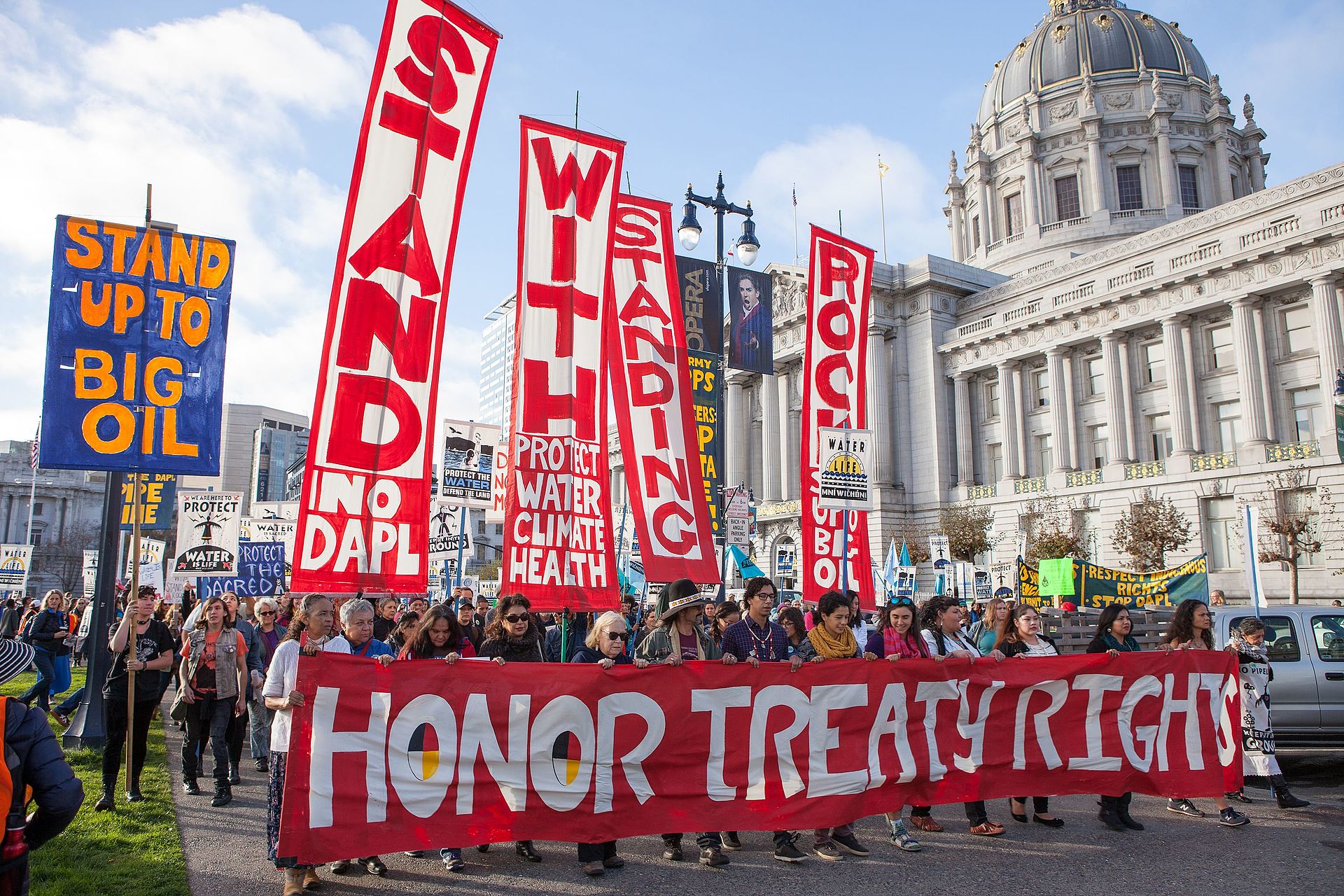
Third, Glaser’s discussion of the problems of private for-profit historical experiences: I think the book could benefit from a deeper analysis of the similarities and differences between different types of museums, from fully public to fully private, including sponsored public museums or non-profit organisations. This analysis could help to understand how and why certain energy narratives have been highlighted and certain negative consequences like climate change and waste-water contamination have been obscured. So, why a certain museum exhibit’s description reads ‘although the search for oil and natural gas may have caused acid rain, oil spills and global warming, it is hard to imagine a completely petroleum-free future’ (p 92) deserves further examination, particularly into where the money comes from.
To sum up, despite those weak points, Interpreting Energy at Museums and Historical Sites is a useful book both for the intended audience of museum professionals and for historians who are interested in how energy has been and is portrayed and interpreted in exhibitions and heritage sites.
Tags
Media in article